The Afro Hair Museum
5,000 years of braiding history, cultural significance, and the stories worn on millions of heads across the African diaspora.
A Journey Through Time
Explore the rich history of Afro hair from ancient civilisations to modern legal recognition.
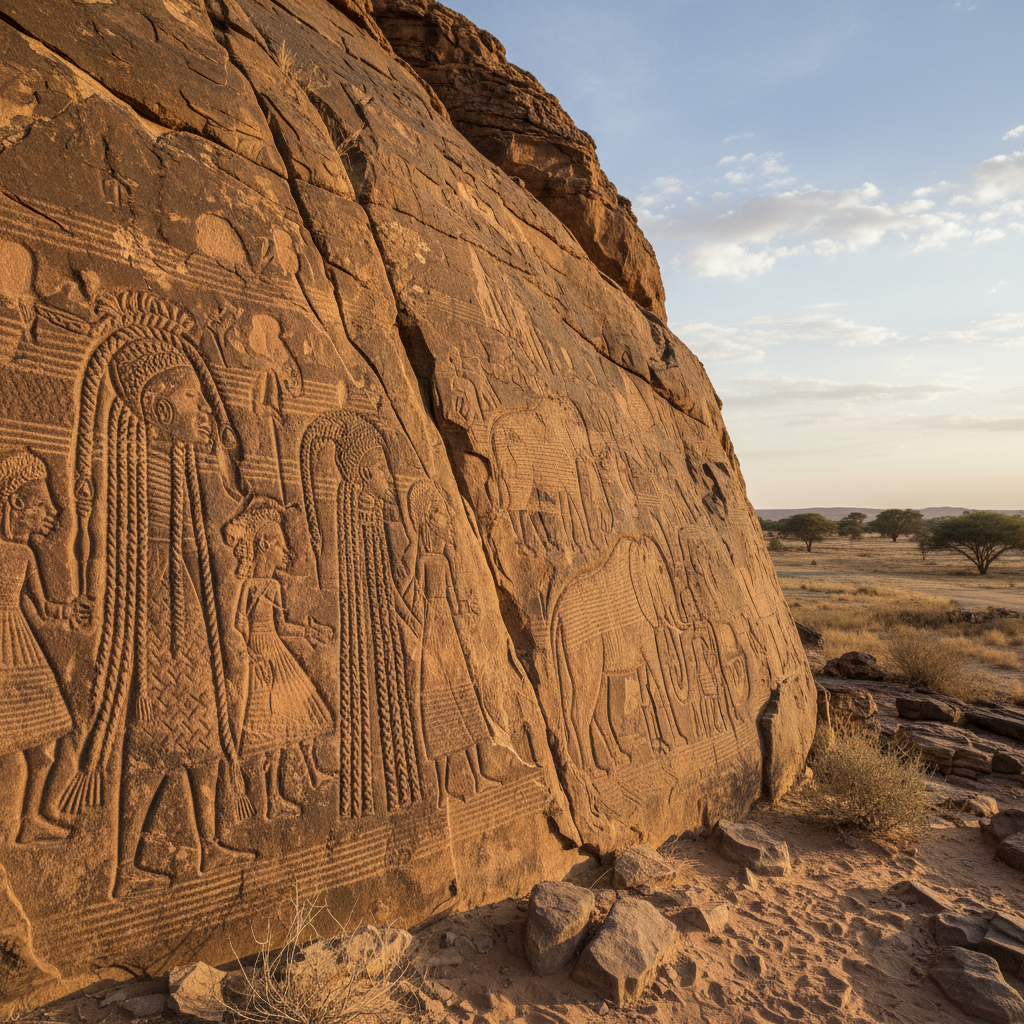
3500 BCE – 500 CE
Cornrows in Ancient Africa
Cornrows date back over 5,000 years to the Horn of Africa and the Nile Valley. Ancient rock art in the Sahara depicts figures with intricately braided hair, and Egyptian hieroglyphs show both men and women wearing tight, sculpted braids close to the scalp.
Historical Significance
Braiding patterns communicated tribal identity, age, marital status, wealth, and social rank — a living language worn on the head.
Cultural Stories from the Diaspora
Braiding traditions from across Africa and the diaspora — each with its own language, meaning, and legacy.
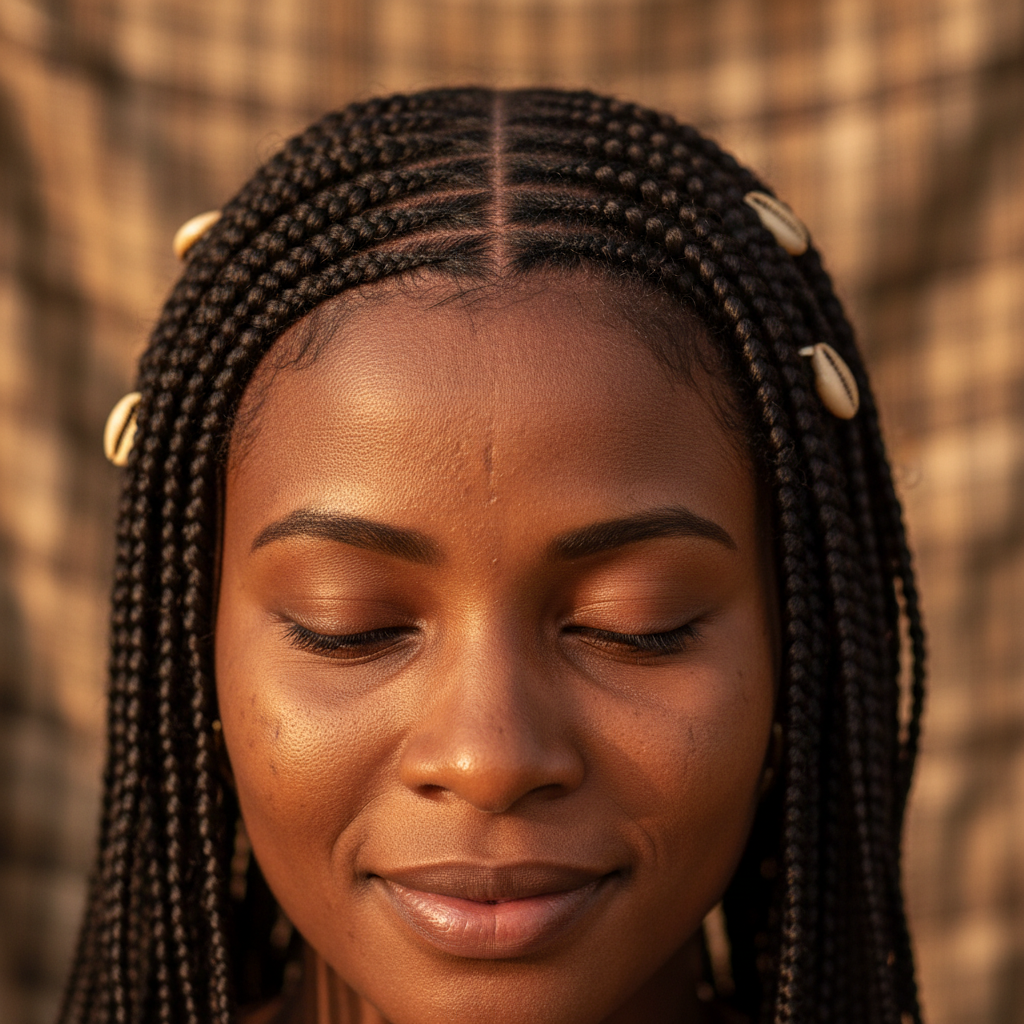
Irun Didi: The Sacred Art of Yoruba Braiding
Among the Yoruba people, braiding is a spiritual act. The head (ori) is considered the seat of destiny, and adorning it with intricate patterns is a form of prayer and protection.

Shuruba: Braiding Traditions of the Ethiopian Highlands
Ethiopian braiding traditions vary dramatically by region and ethnicity. The Amhara, Tigrinya, and Oromo each have distinct styles that mark celebration, mourning, and everyday life.

Ghana Braids & the Language of Pattern
In Ghana, braiding patterns have historically encoded messages about a woman's readiness for marriage, her family lineage, and her community standing — a visual language read by those who know.
Celebrate Your Heritage
Find a braider who honours the tradition and artistry of Afro hair. Book your next appointment on BraiderSpace.